f
Introduction
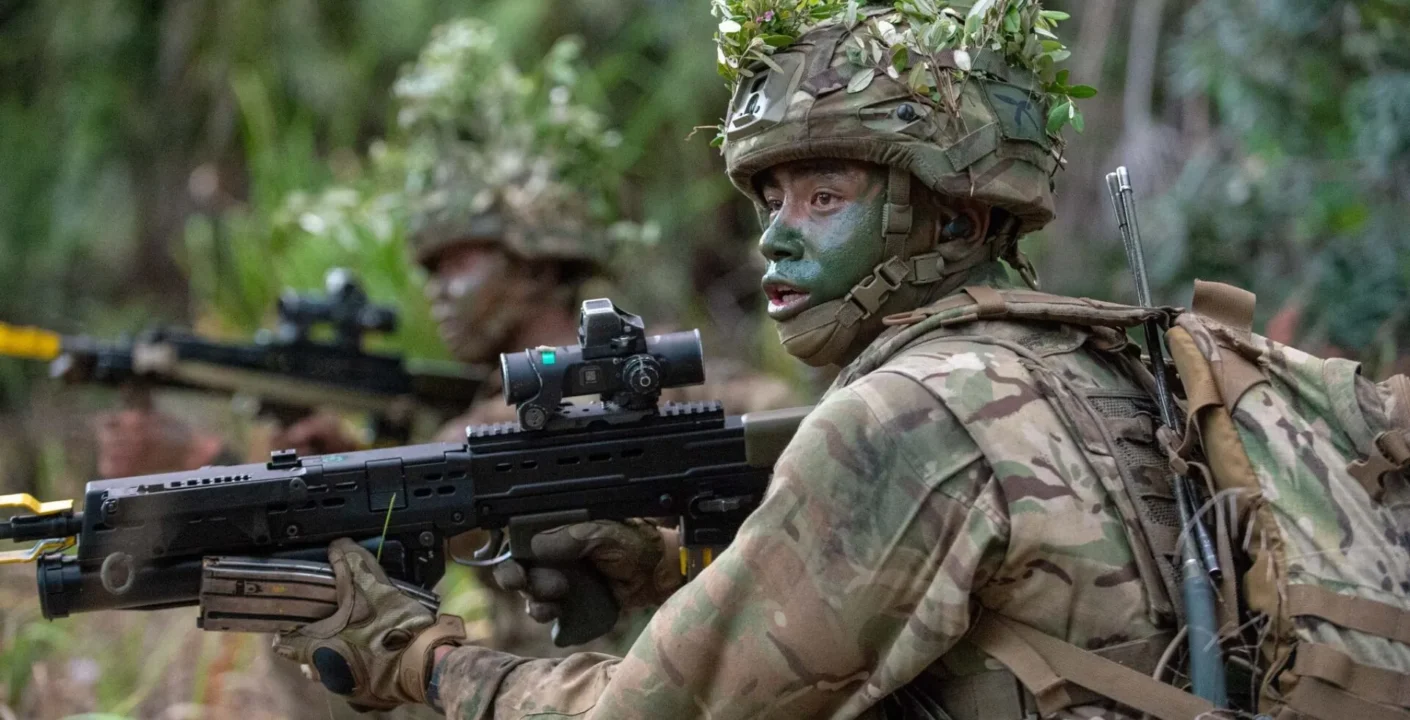
Few regiments in the British Army carry a reputation quite like the Royal Gurkha Rifles. Famed for extraordinary courage, unwavering loyalty, and a fighting spirit that has earned admiration from allies and adversaries alike, the Gurkhas hold a truly unique place in British military history. Unlike every other regiment in the Army, Gurkha soldiers are recruited not from the UK or the Commonwealth, but from the hills of Nepal, a nation with no colonial ties to Britain at all.
This article looks at where the Royal Gurkha Rifles came from, how the regiment took its modern form, and the demanding process soldiers go through today to earn their place in its ranks.
The Origins of the Gurkhas
The story begins with the Anglo-Nepalese War of 1814 to 1816, a hard-fought conflict between the British East India Company and the Kingdom of Gorkha. Although the war ended in British victory, the discipline and bravery shown by Nepalese soldiers left a lasting impression on their opponents. Rather than simply defeating them, the British moved quickly to recruit these fighters into their own ranks.
The resulting Treaty of Sugauli, signed in 1816, formally opened the door for the British to enlist Gurkha soldiers. From that point on, Gurkha units served with distinction throughout the 19th and early 20th centuries, taking part in campaigns across India, the Indian Mutiny of 1857, both World Wars, and countless other conflicts across the British Empire. By the height of the World Wars, tens of thousands of Gurkhas had volunteered to fight alongside British forces, forging a bond that has now lasted well over two centuries.
From Ten Regiments to One
For much of their history, Gurkha soldiers served across ten separate regiments within the British Indian Army. That changed dramatically after Indian independence in 1947, when the Tripartite Agreement between Britain, India, and Nepal divided the Gurkha regiments between the two new British and Indian forces. Six regiments transferred to the Indian Army, while four, the 2nd King Edward VII’s Own Gurkha Rifles, the 6th Queen Elizabeth’s Own Gurkha Rifles, the 7th Duke of Edinburgh’s Own Gurkha Rifles, and the 10th Princess Mary’s Own Gurkha Rifles, joined the British Army on 1 January 1948.
These four regiments went on to serve in major operations including the Brunei Revolt, the Falklands War, and numerous peacekeeping missions around the world. Then, on 1 July 1994, as part of a wider restructuring of the British Army, all four regiments were amalgamated into a single unit: the Royal Gurkha Rifles. This new regiment became the sole Gurkha infantry unit of the British Army, carrying forward the traditions, battle honours, and fierce reputation of its predecessors.
Today the Royal Gurkha Rifles forms the core of the wider Brigade of Gurkhas, which also includes supporting corps such as the Queen’s Gurkha Engineers, Queen’s Gurkha Signals, and the newly formed King’s Gurkha Artillery.
How Gurkhas Are Recruited Today
What truly sets the Royal Gurkha Rifles apart is its recruitment process. Every enlisted Gurkha soldier is recruited directly from Nepal, a nation that remains neither a British territory nor a Commonwealth member, making this arrangement unlike any other in the British Armed Forces.
Recruitment is run by British Gurkhas Nepal, headquartered near Kathmandu, with the main selection centre based in Pokhara. Competition for a place is extraordinarily fierce. In one recent recruitment year, roughly 25,000 young Nepalese men applied for only a couple of hundred available places, making selection into the Gurkhas one of the most competitive recruitment processes in the world.
Candidates undergo a gruelling series of physical and mental tests, including punishing hill runs, endurance events, and rigorous medical and educational assessments. Those who succeed are flown to the UK to complete their formal military training before being posted to their battalion.
British officers who wish to serve with the Royal Gurkha Rifles follow a different path. Recruited from across the UK and the Commonwealth, they must complete standard British Army officer training at Sandhurst, followed by an intensive language course in Nepal to learn Nepali, since building trust and communication with the soldiers they lead is considered essential to the regiment’s ethos.
A Living Legacy
More than two centuries after that first treaty was signed, the bond between Britain and the Gurkhas remains as strong as ever. The regiment’s motto, “Better to die than be a coward,” reflects a warrior tradition that predates British involvement entirely, rooted in the martial customs of Nepal’s hill communities.
From the battlefields of the Indian Mutiny to modern deployments in Afghanistan, Kosovo, and beyond, the Royal Gurkha Rifles has consistently proven why the Gurkhas remain some of the most respected soldiers in the world, a legacy built on loyalty, discipline, and an extraordinary willingness to serve.
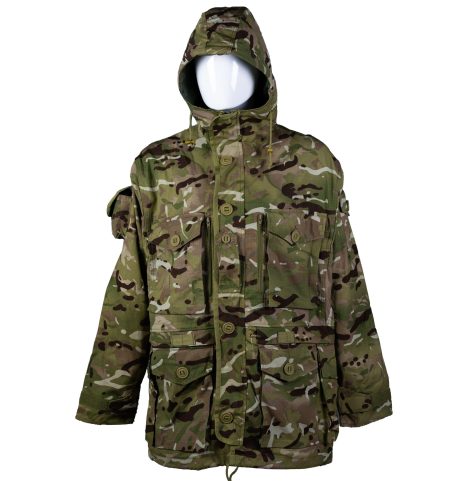
Interested in the kit and equipment carried by British Army regiments today? Explore our range of genuine MTP, MultiCam, and MOLLE gear, trusted by those who understand what modern soldiering demands.